The Rise of Whimsy
Why softness, play, and imagination are becoming essential in contemporary culture: An Expert Perspective by exhibited.at
The Essence
Whimsy is not a trend but a response.
In a world shaped by acceleration, optimisation, and constant exposure, there is a growing pull toward work that offers lightness, intimacy, and emotional openness. What may appear playful or surreal on the surface is, in reality, a deeper shift in how we want to feel, live, and connect.
A Cultural Shift Toward Softness
For years, much of contemporary culture has been defined by restraint:
Minimalism
Severity
Conceptual distance
But something is changing. Across art, fashion, and design, we are seeing:
Hand-drawn elements replacing hyper-polished finishes
Narrative and character re-entering visual language
Colour, texture, and emotional immediacy returning to the forefront
This is not a move backwards but instead, an expansion, toward a more intuitive, human way of engaging with the world.
Whimsy introduces a different kind of intelligence:
Emotional rather than analytical
Personal rather than performative
Open rather than resolved
Where We’re Seeing It
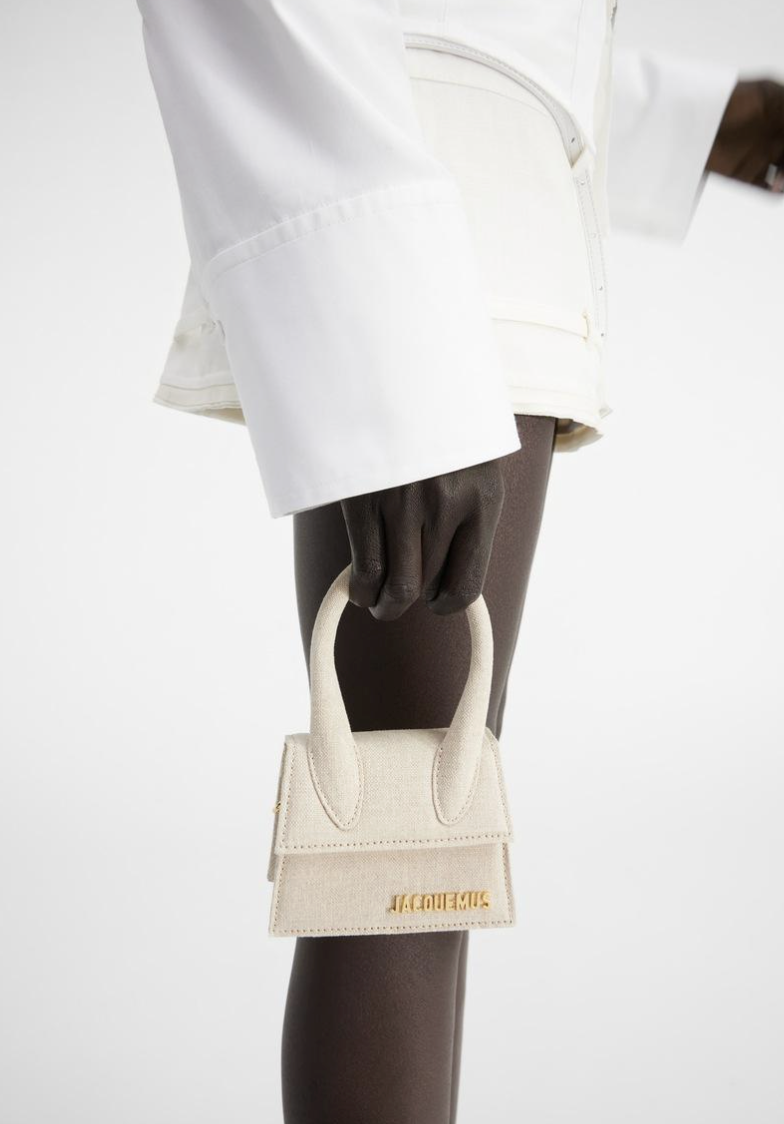
Jacquemus - surreal proportions and playful distortions of scale signal a shift toward imaginative expression in fashion.
Brands have embraced:
Surreal silhouettes
Exaggerated proportions
Playful distortions of scale
These are not simply stylistic gestures, they reflect a broader desire to move beyond rigidity and into imaginative expression.
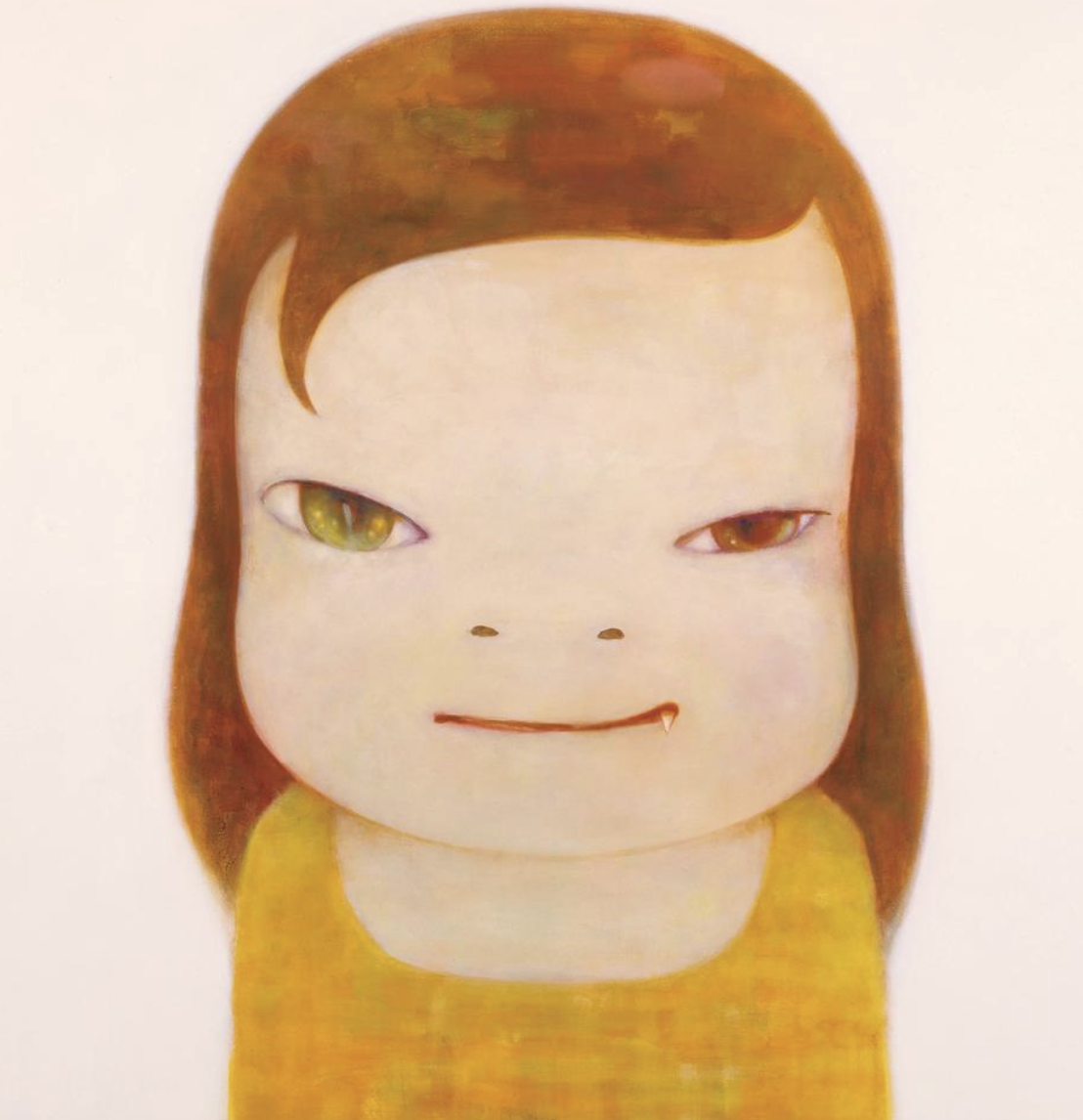
Yoshitomo Nara — where character, softness, and psychological depth converge.
In Art, artists such as Yoshitomo Nara have long explored this terrain, where:
Simplicity carries complexity
Characters hold psychological depth
Softness becomes a form of resistance
What is changing now is that this language is no longer peripheral but moving toward the centre.
Why Now?
Living in a time of:
Information overload
Visual saturation
Constant comparison
In this context, whimsy offers something rare:
Relief — a pause from intensity
Permission — to feel without over-explaining
Connection — through shared emotional language
It allows both artists and audiences to step outside rigid frameworks and return to something more instinctive. In both exhibition contexts and private placements, we’re seeing a clear shift toward works that prioritise emotional immediacy over conceptual distance.
Referencing the Conversation
Recent coverage across platforms such as Vogue, The New York Times, and Dazed points to:
The rise of playful surrealism in fashion
A renewed interest in craft and hand-made aesthetics
A broader cultural appetite for joy, softness, and individuality
While the language differs, the underlying message is consistent:
Audiences are no longer seeking only refinement, they are seeking feeling.
Expert Perspective — exhibited.at
At exhibited.at, our interest in whimsy is not about aesthetic preference but about how people live with art.
We’ve found that works rooted in softness, character, and imagination often form some of the most enduring relationships with collectors. They are returned to, over time, across moods, within daily life. They don’t demand attention in a singular moment; they accumulate meaning through presence.
Interestingly, these practices are often underestimated early on. They can be seen as light, decorative, or peripheral to more “serious” contemporary discourse. But in reality, they offer something many collectors are increasingly seeking: emotional continuity.
In placing works and developing artists over time, it becomes clear that whimsy is not a departure from depth, it is simply a different way of holding it.
Supporting Lesser-Known Directions
Historically, more whimsical or emotionally open practices have often been:
Underestimated
Categorised as decorative
Positioned outside of traditional definitions of rigor
But this is precisely why they matter. To support these directions is to:
Expand what is considered valuable
Challenge narrow expectations of seriousness
Create space for new forms of expression to emerge
Many of the most influential movements once existed at the margins, whimsy today occupies a similar position—on the edge, but moving inward.
How This Translates to Collecting
For collectors, the rise of whimsy is not just visual—it is experiential.
There is a growing preference for works that:
Live easily within a space
Offer emotional resonance without requiring explanation
Continue to reveal themselves over time
Whimsical works often sit differently within a home. They invite familiarity, interaction, even comfort. Rather than existing as singular statements, they become part of a daily rhythm.
This shift suggests a move away from collecting as display, and toward collecting as relationship.
A Note on What We Support
At exhibited.at, we are particularly drawn to artists working within these more intuitive, narrative-led spaces, where softness, play, and imagination are not treated as secondary, but as central.
Much of our work is focused on supporting practices that may not immediately align with traditional expectations, but which hold the potential to resonate more deeply over time. This includes developing artists through exhibitions, placing works with collectors, and building long-term visibility around their practices.
If this way of thinking about art resonates, whether as an artist or a collector, we are always open to considered conversations.
